

Style
African Black Soap
Aug
African Black Soap: A Timeless Tradition in Natural Skincare
Discover the rich heritage, traditional ingredients, and everyday cleansing benefits of African Black Soap, a botanical skincare staple cherished for generations.
Some beauty traditions stand the test of time.
Long before today’s elaborate skincare routines, communities across West Africa were creating cleansing soaps from locally available plant materials, natural oils, and traditional soapmaking techniques.
Among these treasured preparations is African Black Soap, a distinctive cleanser known for its earthy appearance, plant-derived ingredients, and rich cultural heritage.
Today, African Black Soap continues to find a place in modern skincare routines, appealing to people who appreciate traditional craftsmanship and uncomplicated personal care.
But what makes this soap different, and how can you incorporate it into your routine?
What Is African Black Soap?
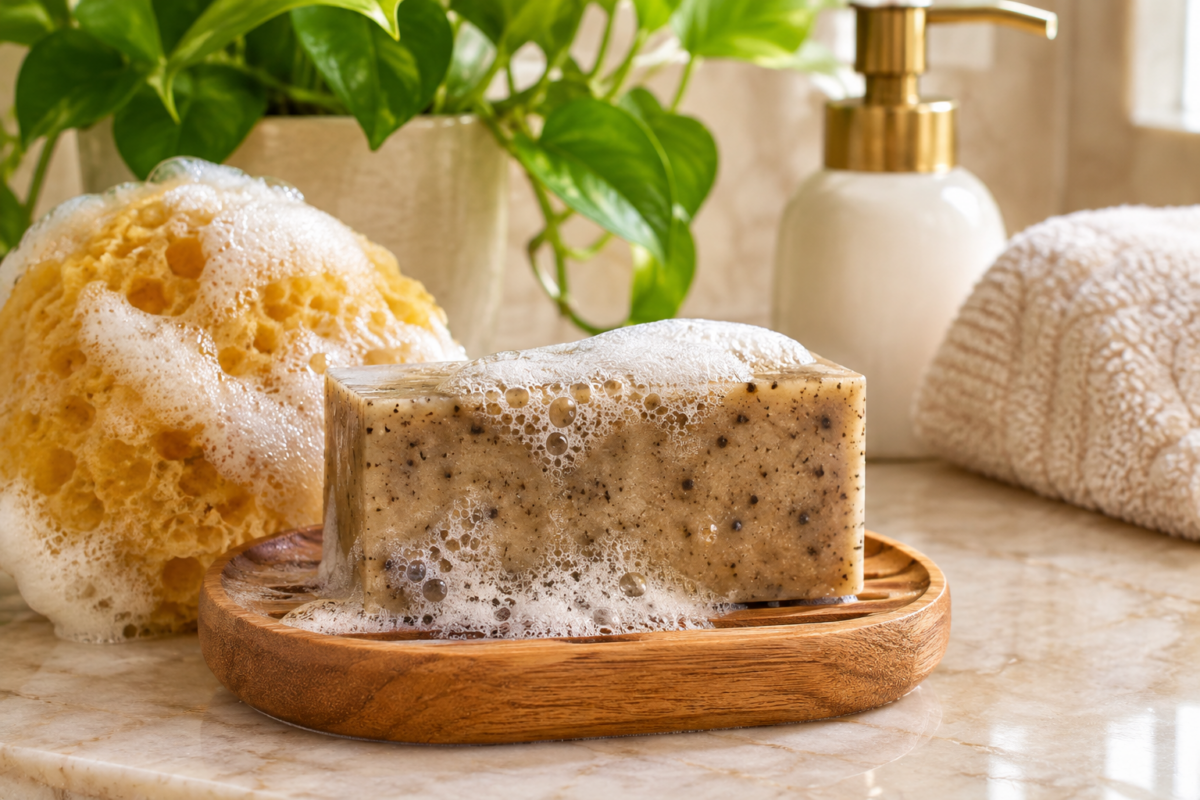
African Black Soap is a traditional cleansing soap associated with West African beauty and personal care practices.
Known as Alata Samina in Ghana and Ose Dudu in parts of Nigeria, it is traditionally made using alkaline materials derived from plant ash and a combination of plant-based oils or fats.
Depending on its ingredients and production method, the finished soap may range from golden brown to dark brown or nearly black.
Traditional varieties often have a rustic appearance, with variations in color, texture, and shape.
These characteristics reflect the ingredients and craftsmanship behind this longstanding cleansing tradition.
The Natural Ingredients Behind African Black Soap
African Black Soap is traditionally made using a combination of plant-derived materials. Specific ingredients vary by region, producer, and formulation.
Plantain Skins
In some traditional preparations, dried plantain skins are roasted or burned to produce ash containing alkaline compounds used during soapmaking.
Cocoa Pod Ash
Cocoa pod husks may be processed into ash and incorporated into traditional soapmaking preparations.
Shea Butter
Shea butter is valued for its emollient properties and is included in certain African Black Soap formulations.
Its contribution to the finished soap depends on the overall formulation and soapmaking process.
Palm and Palm Kernel Oils
These plant-derived oils are used in traditional soapmaking and contribute to the soap’s cleansing characteristics and lather.
The exact ingredient combination influences the soap’s color, texture, lather, and cleansing properties.
Not every African Black Soap contains all these ingredients, so always consult the product label for the composition of a particular soap.
Why African Black Soap Is Loved in Skincare
African Black Soap is appreciated for its effective cleansing action, versatility, and connection to traditional botanical skincare.
Cleanses Away Everyday Impurities
Like other properly formulated soaps, African Black Soap helps remove dirt, sweat, excess oil, and everyday buildup from the skin.
It can be a practical cleansing option for individuals who enjoy traditional soap-based skincare.
Removes Excess Surface Oil
African Black Soap can help wash away accumulated surface oils.
People with oily skin may appreciate its cleansing action, although excessive use can cause dryness or irritation.
Leaves Skin Feeling Refreshed
A gentle cleansing routine helps remove surface impurities and can leave the skin feeling clean and refreshed.
The experience depends on the formulation and individual skin tolerance.
Versatile Everyday Cleansing
Depending on the product and your skin’s needs, African Black Soap may be incorporated into hand, body, or facial cleansing routines.
Its versatility makes it appealing to people who prefer uncomplicated personal care.
Traditional Plant-Based Ingredients
African Black Soap celebrates the use of plant-derived materials such as cocoa pod ash, plantain skins, and traditional soapmaking oils.
Its heritage reflects generations of knowledge and craftsmanship.
A Simpler Skincare Routine
For those whose skin tolerates it, African Black Soap can serve as the cleansing step in a straightforward routine.
Gentle cleansing, moisturizing, and daily sun protection remain important foundations of skincare.
How to Use African Black Soap
A little care in how you use African Black Soap can make your cleansing experience more comfortable.
A Simple Cleansing Routine
Step 1: Wet your skin with lukewarm water.
Step 2: Work a small amount of soap into a soft lather between your wet hands.
Step 3: Gently massage the lather onto your skin without vigorous scrubbing.
Step 4: Rinse thoroughly with lukewarm water.
Step 5: Follow with a suitable moisturizer.
If you’re new to African Black Soap, begin with occasional use and observe how your skin responds.
Avoid contact with the eyes and discontinue use if irritation develops.
African Black Soap Bars and Powder: What's the Difference?
African Black Soap is available in different forms, making it easier to choose a format that suits your preferences.
African Black Soap Bar
The traditional bar format is convenient for everyday hand and body cleansing.
Simply work the bar between wet hands to create a lather, then apply the lather gently to your skin.
Allow the bar to dry between uses on a well-draining soap dish.
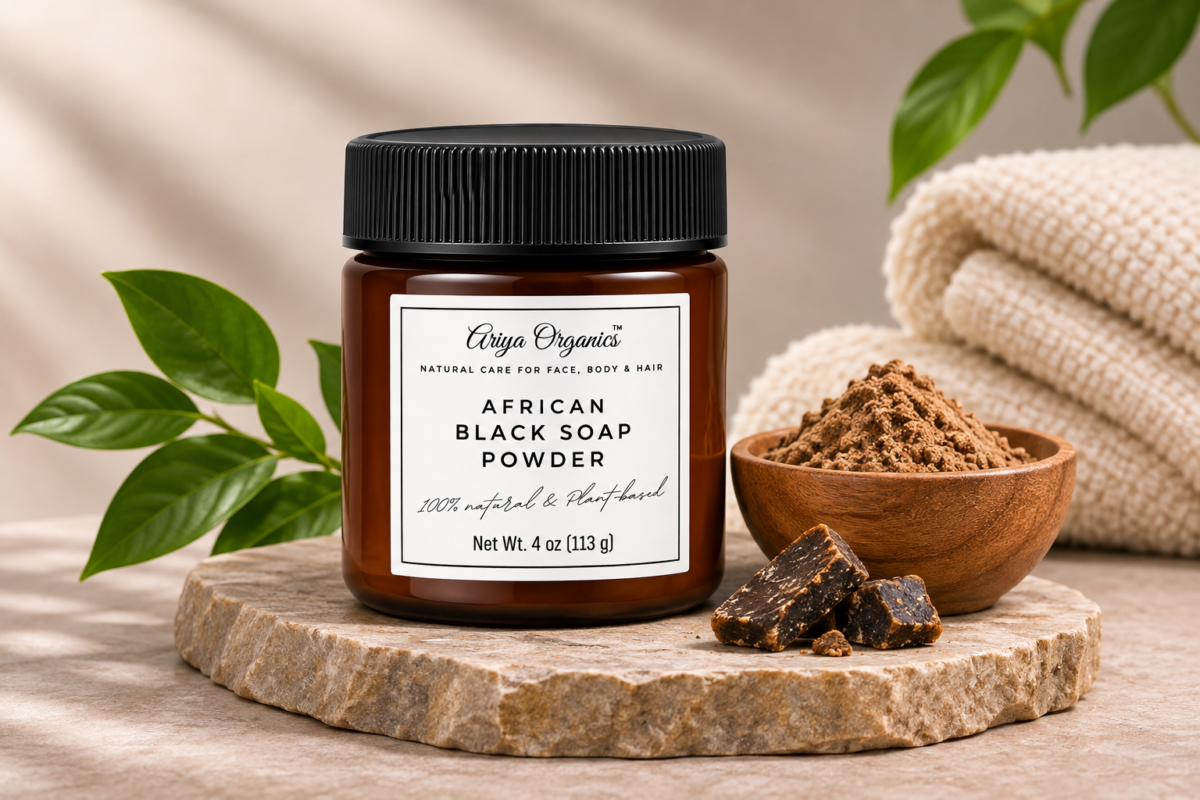
African Black Soap Powder
Powdered African Black Soap offers an alternative format for preparing a cleansing lather.
Follow the product’s specific usage instructions, using only a small amount as needed.
Keep unused powder dry and tightly sealed to protect it from moisture.
Explore the African Black Soap collection from Ariya Organics and discover the format that works best for your personal care routine.
SHOP AFRICAN BLACK SOAPIs African Black Soap Suitable for Every Skin Type?
Although African Black Soap has a longstanding history of traditional use, it may not be suitable for everyone.
Traditional soap formulations can be relatively alkaline, and some may cause dryness, tightness, or irritation, particularly on sensitive skin.
If you have dry or sensitive skin, introduce the soap cautiously.
Avoid using it on broken or irritated skin, and do not scrub delicate facial areas with a rough soap bar.
If you experience persistent dryness, stinging, or irritation, discontinue use.
For individuals with eczema or a compromised skin barrier, a gentler cleanser may be preferable.
African Black Soap and Acne-Prone Skin
African Black Soap is often discussed in connection with oily and acne-prone skin.
Its cleansing action can help remove excess surface oil and impurities, which may make it appealing to some people with oily skin.
However, cleansing benefits should not be confused with proven acne treatment.
There is limited high-quality clinical evidence that African Black Soap treats acne.
If you have acne-prone skin, use it gently and monitor your skin’s response. Excessive cleansing can lead to irritation and dryness.
Persistent acne may benefit from evidence-based treatments and professional skincare guidance.
Can African Black Soap Improve Uneven Skin Tone?
Regular cleansing can help remove surface impurities and maintain a fresh-looking complexion.
However, African Black Soap has not been conclusively shown to fade dark spots, treat hyperpigmentation, or lighten skin pigmentation.
For those concerned about uneven skin tone, consistent sun protection and appropriate skincare ingredients are important.
African Black Soap is best understood as a traditional cleanser rather than a targeted pigmentation treatment.
How to Store African Black Soap
Proper storage helps maintain the quality and usability of African Black Soap.
For soap bars:
• Keep the soap on a well-draining dish between uses.
• Avoid leaving the bar submerged in water.
• Store unused bars in a cool, dry place.
For African Black Soap Powder:
• Keep the container tightly closed.
• Protect the powder from moisture and humidity.
• Use clean, dry utensils when handling the product.
Always follow the storage instructions on the product packaging.
A Beautiful Heritage of Traditional Craftsmanship
African Black Soap represents more than a cleansing tradition.
For generations, West African communities have used locally available plant materials and traditional soapmaking techniques to create practical personal care products.
The knowledge behind these preparations has been preserved and adapted through generations of craftsmanship.
Traditional soapmaking has also supported livelihoods and small-scale trade within producing communities.
Today, African Black Soap continues to connect cultural heritage with contemporary personal care.
Its lasting appeal reflects the beauty of resourcefulness, botanical knowledge, and time-honored craftsmanship.
Discover the Beauty of Traditional Cleansing
From its distinctive ingredients to its rich West African heritage, African Black Soap continues to hold a special place in botanical skincare.
Its appeal lies in its cleansing versatility, traditional craftsmanship, and uncomplicated approach to personal care.
At Ariya Organics, we celebrate these timeless traditions and the beauty of nature-inspired skincare.
Explore our African Black Soap collection and discover a cleansing tradition with a story worth sharing.
Frequently Asked Questions About African Black Soap
Some people tolerate daily use, while others experience dryness or irritation. Begin with occasional use and adjust according to your skin’s response.
Not always. Traditional soap can have a relatively high pH, which may irritate sensitive skin. Patch testing and cautious use are recommended.
It may be suitable for some individuals, depending on the formulation and skin tolerance. Apply a gentle lather rather than rubbing a textured soap bar directly on the face.
African Black Soap removes surface oil and impurities, but there is insufficient high-quality clinical evidence to establish it as an acne treatment.
African Black Soap is primarily a cleanser. It has not been conclusively shown to lighten pigmentation or treat dark spots.
The appearance of traditional African Black Soap depends on its ingredients and production method. Natural varieties can range from golden brown to dark brown or nearly black.
Both are cleansing formats. Bars are convenient for direct handling and lathering, while powdered soap can be prepared according to its product-specific usage instructions.
Keep soap bars dry between uses on a draining soap dish. Store powdered soap in a tightly closed container away from moisture.
Explore More Botanical Beauty
Discover more about traditional skincare, botanical ingredients, and natural hair care in the Ariya Organics Journal.
